
Step One of Church Growth Is Your Marketing Strategy
Most church growth strategies start with programs. They should start with communications. Here is why your church marketing strategy is step one, and what it looks like to build one that works.
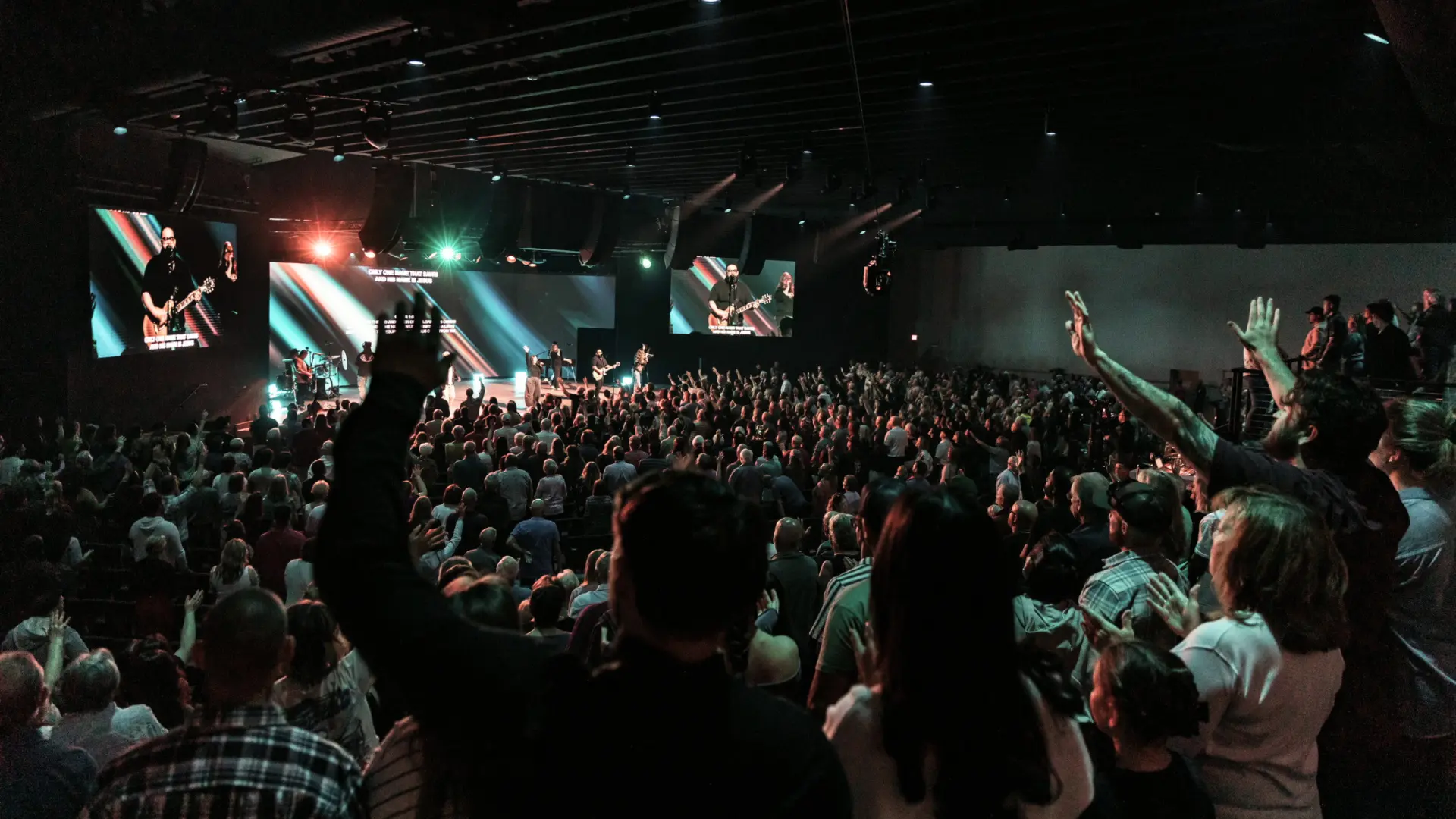
Ask ten pastors how to grow a church and you will get ten answers about programs. Launch a new service time. Start a groups push. Do a big outreach event. Redesign the kids space. Preach a series with a catchy name. All of those things can matter. None of them are step one.
Step one of church growth is your marketing and communications strategy. Not because marketing is more spiritual than ministry, but because marketing is the part almost nobody has actually built. Most churches have a discipleship plan, a service order, a volunteer structure and a budget. Very few have a church marketing plan that connects the dots between a stranger scrolling on their phone and a person walking through your doors on a Sunday.
You do not have a ministry problem. You have a communications problem wearing a ministry costume.
What a Church Marketing Strategy Actually Is
When people hear church marketing, they think logos and Instagram. That is branding and social media. Those are two pieces of a much bigger machine.
A real church marketing strategy answers five questions in order:
- →Who are we actually trying to reach, specifically, in our city?
- →What do they need to see and believe before they will visit?
- →Where will they encounter us before they ever hear our name from a friend?
- →What happens the first time they show up?
- →What happens in the seven, thirty and ninety days after that?
If your church cannot answer those five questions in plain language, you do not have a church growth strategy. You have activity. And activity is expensive.
Why Churches Skip Step One
Churches skip strategy for understandable reasons. Marketing feels like a business word. It feels manipulative. It feels like something you do when the Gospel is not enough. So churches default to what feels safe: produce more content, post more often, put more graphics on the screens and hope momentum shows up.
But the moment your church puts a sign out front, prints a bulletin, builds a website or posts a service time, you are already doing church marketing. The only question is whether you are doing it on purpose.
Doing it on purpose is the difference between a church that grows and a church that stays busy.
The Four Systems Every Growing Church Has
After auditing church marketing and communications for churches of every size, the same four systems show up in the churches that are actually growing.
1. Paid advertising that reaches people who do not know you exist. Organic reach only touches people already connected to your world. Church advertising, specifically Facebook and Instagram ads for churches, is the only reliable way to get in front of the unchurched family two miles from your building.
2. An organic content engine. Church social media and YouTube content that builds trust over months, not days. This is what makes your paid ads work, because people check you out before they visit.
3. Follow-up that is both automated and personal. Most churches lose more people in the two weeks after a first visit than they ever lose to a competing church. Email, text and a real human reaching out.
4. A weekend guest experience worth the drive. Parking, signage, kids check-in, the first ninety seconds inside the door, and a clear next step. All of it is communication.
Notice that only one of those four is what most people picture when they say church marketing services. The other three are where churches quietly leak the growth they worked so hard to create.
Strategy Before Spend
Here is the mistake that costs churches the most money. They decide to get serious about church growth, so they hire a church marketing agency to run ads, or they hire a young creative to run social, and they skip the assessment entirely.
Six months later the ads spent twelve thousand dollars, the Reels look great, and attendance is flat. Not because the work was bad, but because nobody ever diagnosed the actual bottleneck. You cannot fix a follow-up problem with better creative. You cannot fix a guest experience problem with a bigger ad budget.
Diagnose first. Spend second. In that order, every time.
What Step One Looks Like in Practice
Step one is an honest assessment. Where are people actually finding you? What happens when they do? Where do they fall out of the funnel? What is your church's website doing to a first-time visitor on a phone at 9:40 on a Sunday morning? What does your follow-up sequence say, and does it exist at all?
That is exactly what The Monk Audit is built for, and it is why we start every relationship there. We look at your entire church marketing and communications ecosystem, find the gaps, and hand you a prioritized plan. Then, if you want help building the strategy across ads, content, follow-up and guest experience, that is The Monk Playbook, our complete church growth system.
Either way, the order matters. Assess, then strategize, then execute.
If You Only Do One Thing This Month
Take twenty minutes and walk your own funnel like a stranger. Search your church's name on Google. Click your own ad if you are running one. Load your site on your phone. Fill out your own connect card. Wait and see what email arrives, if any. Show up on a Sunday and pretend you have never been there.
You will find your step one in about twenty minutes.
Want Someone to Walk It With You?
That is what we do. Ugly Monk is a church marketing consultant practice built for churches that are tired of guessing. Start with the free scorecard, or request The Monk Audit and get an honest, unsentimental read on where your church growth strategy is breaking down.
Step one of church growth is knowing exactly where you are losing people.
Next step
Book your Monk Audit